Domain Security & Protection in 2026 – Complete Beginner’s Guide
- By Anis Ur Rahman
- 19 Aug, 2025
Last Updated: 22 June 2026 | Read Time: 8 Minutes
Why Domain Security Matters More Than Ever
Have you ever wondered what happens if someone steals your website's domain name? Or why do some websites show "Not Secure" warnings in browsers?
Usually, many people face this problem. Because many website owners don't realize that their domain name is a valuable asset for digital marketing. So if we don't protect it properly, you could lose your website, email access, and even your business reputation overnight.
No one wants that to happen. So I have written a guide for you that will teach you everything about domain security. You'll learn how to protect your domain name from hackers, scammers, and cyber criminals. If you can read to the end, then you'll know exactly what steps to take to keep your online presence safe.
What Is Domain Security? (The Simple Definition)
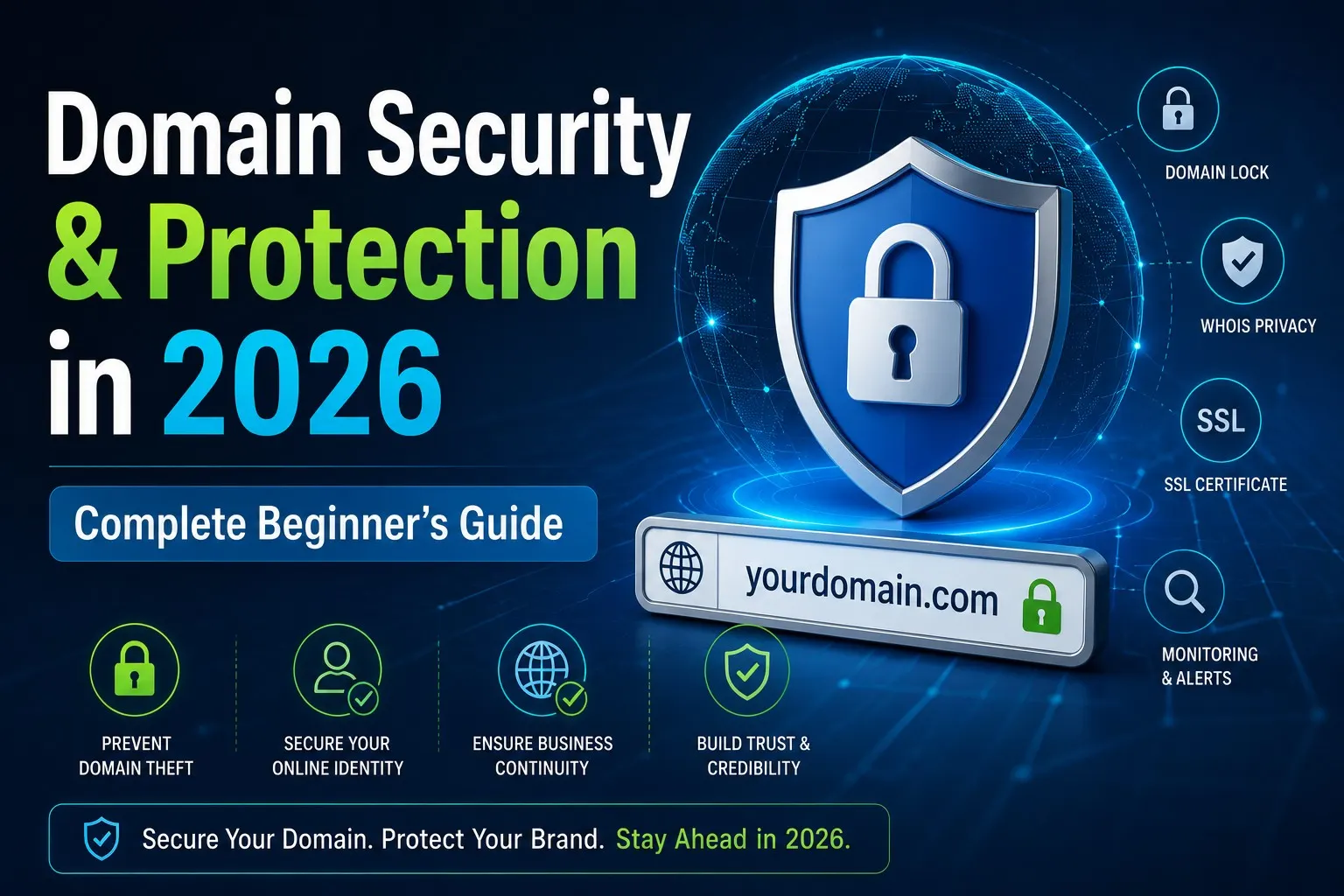
Domain security means protecting your website's address (domain name) from being stolen, hijacked, or misused by criminals. Think of it like putting a strong lock on your house door.
Your domain name (like ummahhostbd.com) is registered with companies called domain registrars. These companies keep records of who owns which domain.
Domain security involves:
Protecting your domain registration account from unauthorized access
Protecting your domain from hijacking attempts (when cybercriminals take control of your domain)
Securing the technical systems that make your domain work
Protecting your personal information from being exposed publicly
Quick FAQ: Domain Security Basics
Q: What's the difference between domain security and website security?
A: Domain security protects your domain name itself. Website security protects the content and data on your website. You need both.
Q: Is domain protection really necessary?
A: Yes. Losing your domain can shut down your entire business. Recovery can take weeks or months.
Q: Can I secure my domain for free?
A: Basic security is free, but advanced protection services cost $5-20 per year. It's worth the investment.
Learn More: How do you will Keep Your Domain Safe
Domain Privacy & WHOIS Protection
What Is WHOIS Information?
When you purchase a domain, your details are recorded in a publicly accessible database known as WHOIS. This includes:
Your full name
Home address
Phone number
Email address
Anyone can look up this information online. Scammers often use WHOIS data to:
Send fake domain renewal emails
They will call you pretending to represent the domain registrar
Send spam to your address
How WHOIS Privacy Protection Works
WHOIS privacy protection hides your personal information. Instead of showing your details, it displays the registrar's contact information.
Benefits:
Protects your privacy
Reduces spam calls and emails
Prevents identity theft
Stops domain-related scams
Cost: Typically $10-$ 15 per year. Some registrars, like Namecheap, include it for free.
Is WHOIS Privacy Safe?
Yes, WHOIS privacy is very safe when used with reputable registrars. The registrar keeps your real information private but can still contact you when needed.
Important: WHOIS privacy doesn't protect against domain hijacking. You still need strong account security.
DNS & SSL/TLS Security
Understanding DNS Protection
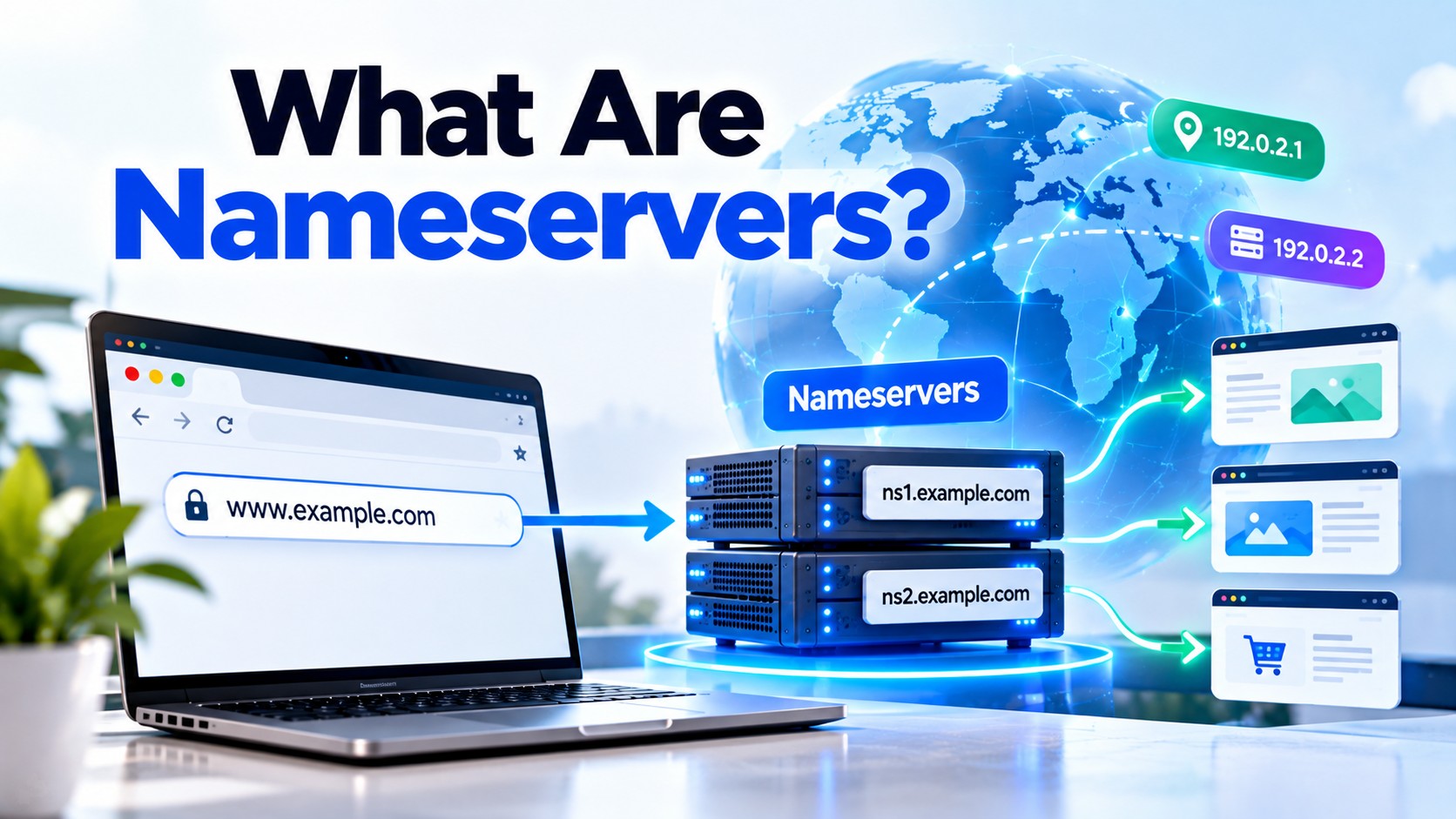
DNS (Domain Name System) works like the internet’s address directory, mapping domain names to their corresponding IP addresses. It tells browsers where to find your website. DNS attacks can redirect your visitors to fake websites.
Common DNS threats:
DNS hijacking: Criminals change your DNS settings
DNS poisoning: Fake DNS records get inserted
DDoS attacks: Overwhelming your DNS servers
DNS Security Best Practices
1. Use reputable DNS providers
Cloudflare (free and secure)
Google DNS (8.8.8.8)
Your hosting provider's DNS
2. Enable DNS security features
DNSSEC (DNS Security Extensions)
DDoS protection
Malware filtering
3. Monitor DNS changes
Set up alerts for DNS modifications
Regularly check your DNS records
SSL/TLS for Domain Security
SSL (Secure Sockets Layer) and TLS (Transport Layer Security) encrypt data between your website and visitors. TLS is the newer, more secure version.
Why SSL/TLS matters:
Protects user data
Improves search rankings
Builds trust with visitors
Required for online payments
How to get SSL/TLS:
Most hosting providers offer free SSL certificates
Let's Encrypt provides free certificates
Paid certificates offer additional features
Why Did TLS Replace SSL?
TLS replaced SSL because SSL had security vulnerabilities. TLS 1.3, the newest protocol, delivers superior performance and enhanced encryption strength, making it far more secure and faster than any earlier SSL versions.
Current best practice: Use TLS 1.3 and disable older SSL/TLS versions.
Registrar & Account Protection
Two-Factor Authentication (2FA) for Domains
Two-factor authentication adds an extra layer of security to your domain account. Even if someone steals your password, they can't access your account without the second factor.
How 2FA works:
Enter your username and password (first factor)
Enter a code from your phone or app (second factor)
Access granted only if both are correct
Best 2FA Methods for Domain Security
Most secure options:
Hardware keys (like YubiKey) - Most secure but costs $25-50
Authenticator apps (Google Authenticator, Authy) - Free and very secure
SMS codes - Better than nothing, but less secure
Expert recommendation: Use authenticator apps for the best balance of security and convenience.
Domain Lock and Registrar Lock
Domain locks prevent unauthorized transfers of your domain to other registrars.
Types of locks:
Registrar lock: Prevents domain transfers
Registry lock: Additional protection at the registry level
Transfer lock: A temporary restriction that prevents domain transfers, typically applied for about 60 days after registration.
How to enable domain lock:
Log in to your registrar account
Find domain management settings
Enable "Transfer Lock" or "Domain Lock"
Save changes
Most registrars enable this by default, but always verify.
Secure Domain Transfer Guide
If you need to transfer your domain to another registrar:
1. Prepare for transfer:
Unlock your domain
Get authorization code from current registrar
Ensure WHOIS information is accurate
2. During transfer:
Keep an eye on your inbox for domain transfer confirmation messages
Act promptly when you receive any transfer approval requests
Keep the domain locked at the new registrar
3. After transfer:
Re-enable domain lock
Update DNS settings if needed
Verify all services work properly
Read our guide on: How to Transfer a Website to Another Hosting Provider
Domain Hijacking, Spoofing & Scams
Understanding Domain Hijacking
Domain hijacking happens when criminals gain control of your domain registration account. They can then:
Transfer your domain to them
Change DNS settings
Redirect your website traffic
Access your email
Check Next Part About: Cybersecurity Basics for Domain Owners

Author By
Anis Ur Rahman
Anis Ur Rahman writes domain and web hosting–related articles on behalf of Ummah Host BD. He works with domain name selection, web hosting, BDIX hosting, and website performance, and creates informational guides based on practical experience to help users make informed decisions. His writing focuses on providing reliable, easy-to-understand, and decision-supportive content.
Search Blog
Categories
- Problem Solving 3
- RDP Hosting 4
- SMS Service 17
- IP Number 11
- Reseller Hosting 5
- Promo Offer 2
- Achieve 3
- SSD Hosting 5
- cPanel Hosting 7
- BDIX Hosting 7
- Email Hosting 4
- Dedicated Server 7
- User Guide 0
- Security 4
- Online security 6
- Business 5
- SEO 3
- VPS Hosting service 31
- Manage Hosting 1
- domain hosting service 29
- Domain 1
- Hosting 40